
What you can do in Vidorena
Business




What you can do in Vidorena
Business
June 27, 2026
How to turn social media comments into leads for your business
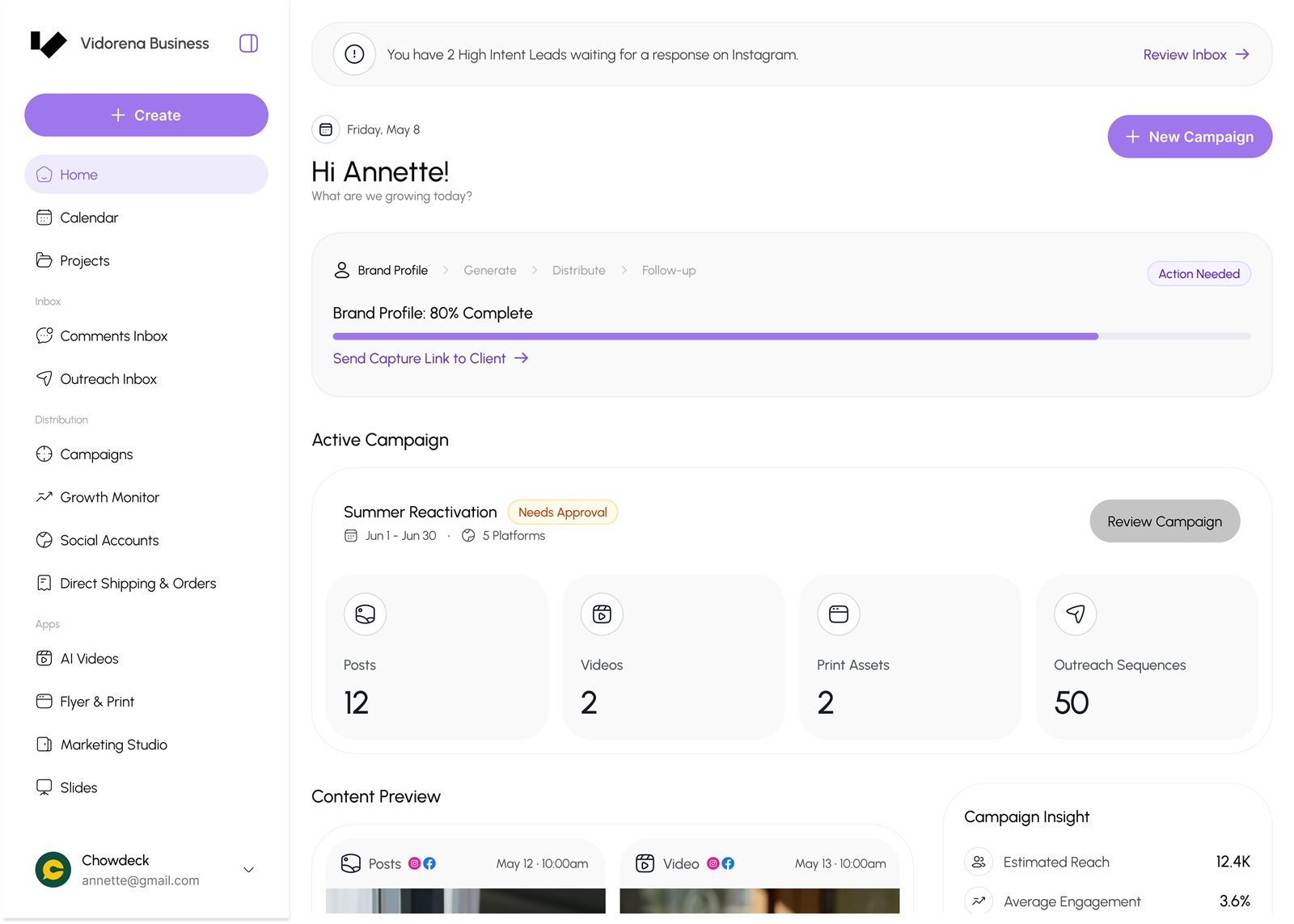
Table of contents
Every business chasing leads tends to look outward: ads, cold outreach, SEO, paid lists. Meanwhile some of the warmest prospects they will ever get are sitting in their own comment sections, typing "how much" and "is this available near me" under a popular post, and scrolling on because nobody answered in time. Turning those comments into leads is one of the cheapest and most overlooked growth levers a small business has, and this guide walks through how to actually do it, by hand or with a system.
Why comments are an underrated lead source
A comment asking about price is not a cold lead. It is someone who has already seen your product, is already interested, and has raised their hand in public. That is further down the funnel than almost anyone your ads reach. The problem is not quality, it is volume and timing: a popular post can generate thousands of comments, a handful are real buying signals, and by the time anyone scrolls far enough to find them, the moment has passed. Solve the finding and the timing, and you have a lead source that costs nothing to run.
The noise problem, and why keywords fail
The obvious approach, searching your comments for words like "price," breaks quickly. "Price?" and "lol the price is right" both contain the word and mean opposite things. Worse, the strongest signals often contain no keyword at all: "I've been looking for something like this for my shop" is a hotter lead than plenty of comments that literally ask a price. Reading intent means reading the whole comment in context, who it is replying to and what tone it carries, which is exactly what a human does well and a keyword filter does badly.
Read intent, not keywords
Whether you do this by hand or with software, the principle is the same: judge the comment by what the person seems to want, not by the words they used. Genuine questions about price, availability, shipping or fit are strong. Expressions of desire ("I need this") are strong. Jokes, tags of a friend and unrelated chatter are not. If you are doing it manually, skim for these daily rather than weekly, because intent cools fast.
Which platforms are worth watching
Not every platform produces the same kind of comment. Short-form video platforms tend to generate high volume with a lower hit rate, so the value is entirely in filtering. Community-style platforms and longer-form content produce fewer comments but often more considered questions. Wherever your buyers actually spend time is where to focus, and for most local and product businesses that is one or two channels, not all of them. Watching everything badly is worse than watching your best channel well.
Respond while it is still warm
Speed is most of the game. A reply within the hour of someone showing interest lands completely differently from one three days later, when they have forgotten they asked or bought from someone else. Have a short, friendly response ready that answers the question and moves the conversation somewhere you can actually close, a DM, a link, a booking. The goal is to make responding feel as light as liking a comment, so it actually gets done under real workloads.
What a good first response looks like
The reply that converts does three things and no more: it answers the actual question, it is unmistakably human and friendly rather than a canned auto-reply, and it gives one clear next step. If someone asks the price, tell them, then invite them to a DM or a link to go further, rather than making them ask again. Over-selling in a public comment reads as pushy and puts other readers off; a helpful, specific answer does the opposite, because everyone else scrolling past sees a business that actually responds. Treat the reply as marketing to the whole thread, not just the one person.
Measure whether it is actually working
Because this costs almost nothing to run, it is easy to do it vaguely and never know if it pays off. Track two simple numbers: how many comments you flag as leads in a week, and how many of those turn into a real conversation or sale. That ratio tells you whether your bar for what counts as a lead is right. If almost everything you flag goes nowhere, you are flagging too loosely; if you are converting nearly everything, you are probably missing warmer signals by being too strict. A few weeks of watching those two numbers will calibrate the whole system.
Turn it into a repeatable system
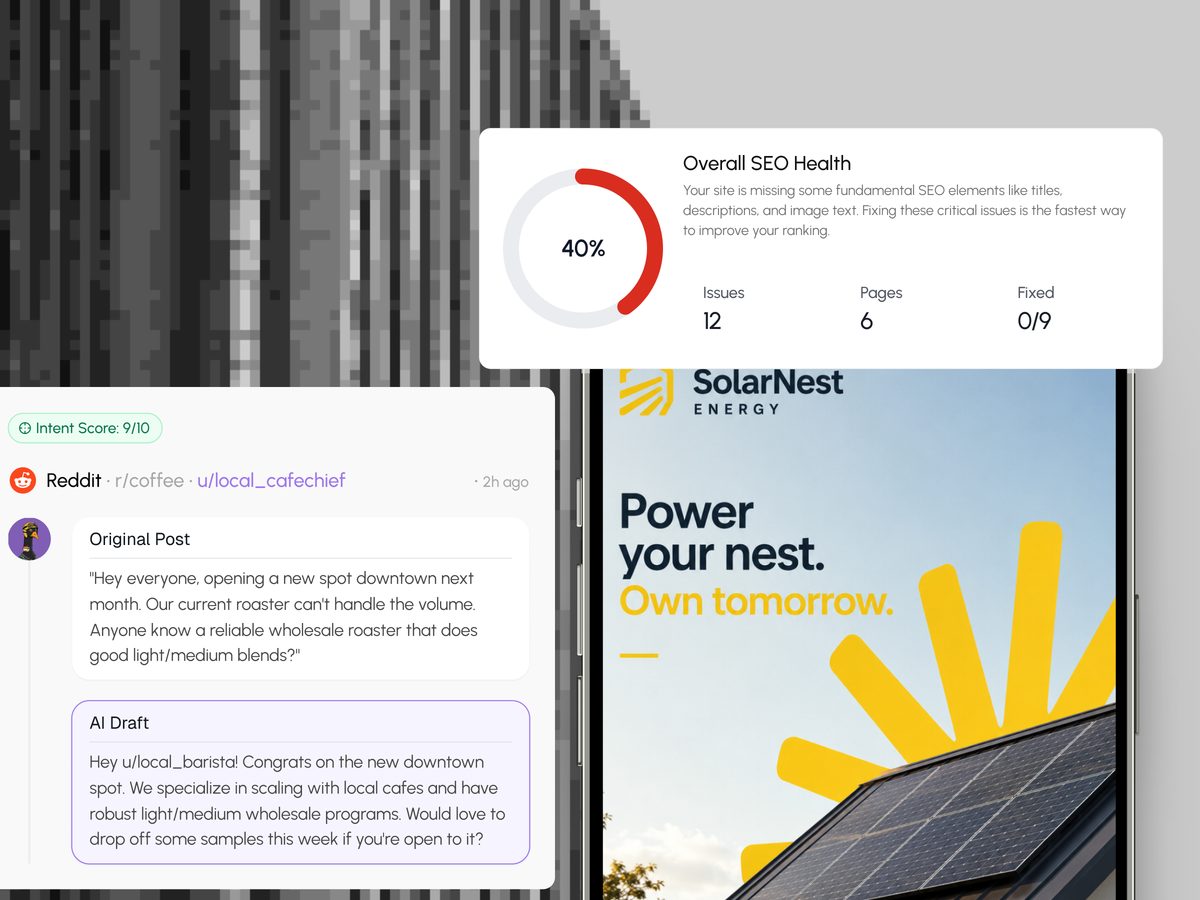
Doing this by hand works until your volume grows, at which point it quietly stops happening. The durable version is a system that watches every platform in real time, flags the comments that show real intent, and hands your team the original post, the commenter's context and a suggested reply, so responding takes seconds. That is exactly what Vidorena's Lead Capture is built to do, and it tunes itself over time to your business, because a shop selling a forty dollar product and an agency selling a four thousand dollar service need very different thresholds for what counts as a lead. The comments were always there. The point is to stop losing them.
Keep reading
How to automate video creation with AI: a complete guide
July 18, 2026Video automation used to mean templates and stock clips. With AI it means describing what you want and getting finished, on-brand video back. Here is how it actually works, step by step, and where to draw the line.
AI video generation explained: how a prompt becomes a finished video
July 16, 2026You type a sentence and get a video back, but a lot happens in between. Here is a plain-English explanation of how AI video generation actually works, and what that means for the results you get.

How to make faceless YouTube videos with AI (step by step)
July 11, 2026Faceless channels are one of the most accessible ways to build an audience, because they scale without a studio, a camera or a presenter. Here is how to actually make one work, from niche to publishing.