
What you can do in Vidorena
Business



What you can do in Vidorena
Business
July 11, 2026
How to make faceless YouTube videos with AI (step by step)

Table of contents
A faceless YouTube channel is exactly what it sounds like: a channel that builds an audience without ever showing a presenter on camera. Think explainer channels, history recaps, product breakdowns, meditation and study content, top-ten lists. The format is popular for good reasons. You do not need a camera, a set, on-camera confidence or even a fixed schedule that depends on you being available to film. What you do need is a system, because "faceless" removes the one thing that usually carries a channel, a personality on screen, and something has to take its place.
This guide covers how to actually make faceless videos that hold an audience, not just how to generate clips. AI has made the production side dramatically easier, but the strategy underneath is still what separates a channel that grows from one that quietly stalls at a few hundred views.
Pick a niche the format can carry
Not every topic works faceless. The niches that thrive are ones where the information or the visuals are the draw, not a person. Educational content, storytelling, listicles, ambient and relaxation content, and product or tech breakdowns all work because viewers come for the substance. Pick something you can keep making, ideally something you find genuinely interesting, because a faceless channel lives or dies on consistency and it is very hard to be consistent about a topic you do not care about.
Write a tight script and hook
Without a face to hold attention, your first ten seconds do all the work. Open with the payoff or the tension, not a slow introduction, because on a faceless video there is nothing else keeping someone from scrolling. Keep the script tight and spoken, not written to be read, since it will be narrated. A good test is to read it aloud: if you stumble or get bored, so will the viewer.
Choose one voice and keep it
The narration voice is your channel's identity, so treat it like a presenter you are casting once. Swapping voices between videos is the fastest way to feel like a different channel every upload, even if the branding is identical. Pick an AI voice you like, or clone your own, and keep it consistent. This one decision does more for recognition than almost anything else you will do.
Build the visuals without a camera
This is where AI video changes the game for faceless creators. Instead of hunting for stock footage that half fits, you can generate exactly the shots your script describes, on brand and on topic, and keep a consistent visual style across every video. Describe the shots the way you would to an editor, name the mood and the motion, and generate rather than search. A consistent color grade and a recurring title style will do the branding job a face usually does.
Let pacing do the work a face would
On a faceless video, cut pacing carries the emotional signal that a presenter's face normally would. Faster cuts read as energy and urgency; longer holds read as weight and calm. A channel that cuts at the same rhythm no matter what it is saying feels flat, so vary the pace to match the moment. This is a small craft skill that quietly separates amateur faceless content from the channels that feel professional.
Publish on a schedule and let it compound
The channels that grow fastest in this format are rarely the ones with the single best video. They are the ones that shipped on a predictable schedule long enough for the pattern itself to become the draw. Faceless content has a real advantage here, because there is no presenter to burn out or take a break, which means the format can run on a cadence indefinitely. Automating the production and scheduling so a new episode goes out every week without a heroic effort is how a faceless channel actually pays off.
Doing it end to end in one place
You can stitch this together from a script tool, a voice tool, a video generator and a scheduler, and plenty of people do. The reason to use a studio like Vidorena instead is that the whole loop lives together: generate the visuals from your script, keep one narration voice, hold a consistent style, and automate a whole series onto a schedule, so a faceless channel becomes something you set up once rather than something you rebuild every week.
Keep reading
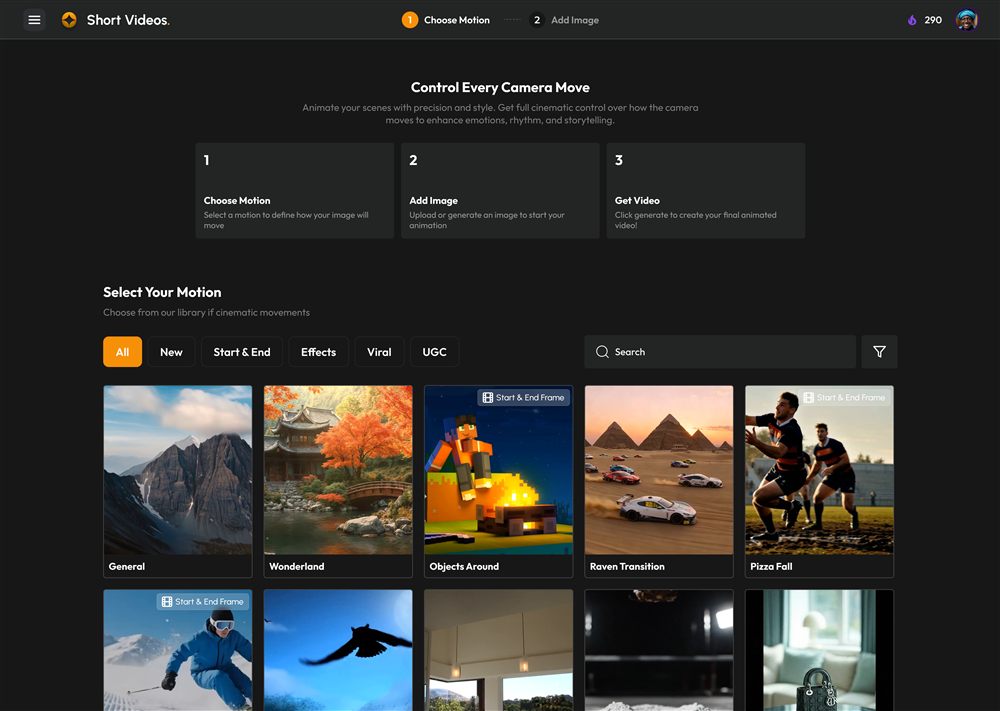
How to automate video creation with AI: a complete guide
July 18, 2026Video automation used to mean templates and stock clips. With AI it means describing what you want and getting finished, on-brand video back. Here is how it actually works, step by step, and where to draw the line.
AI video generation explained: how a prompt becomes a finished video
July 16, 2026You type a sentence and get a video back, but a lot happens in between. Here is a plain-English explanation of how AI video generation actually works, and what that means for the results you get.
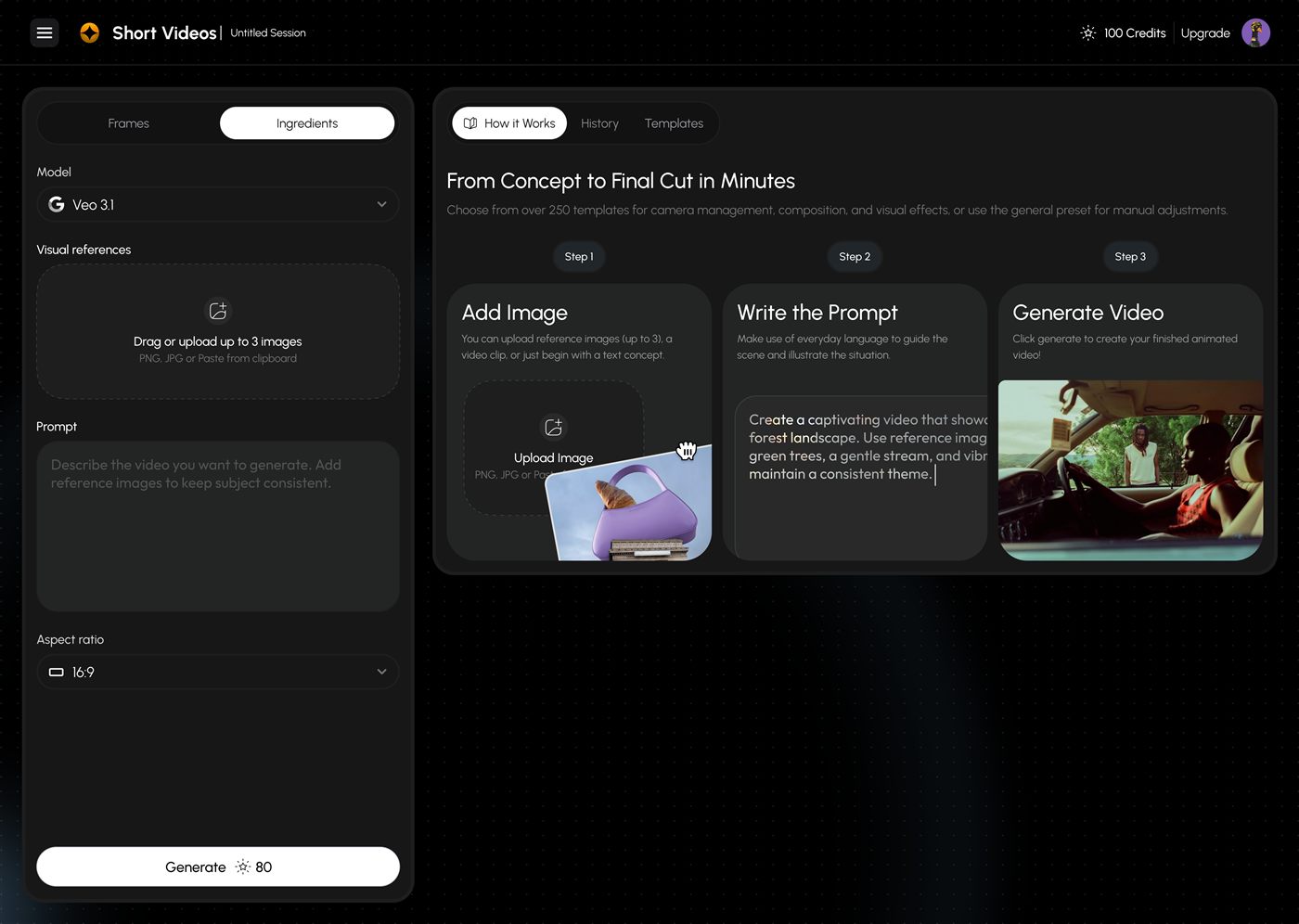
How to write AI video prompts that actually look cinematic
July 8, 2026Most disappointing AI video comes from the prompt, not the model. This is a practical field guide to the phrasing that reliably produces intentional, camera-aware, cinematic shots, with before-and-after examples.